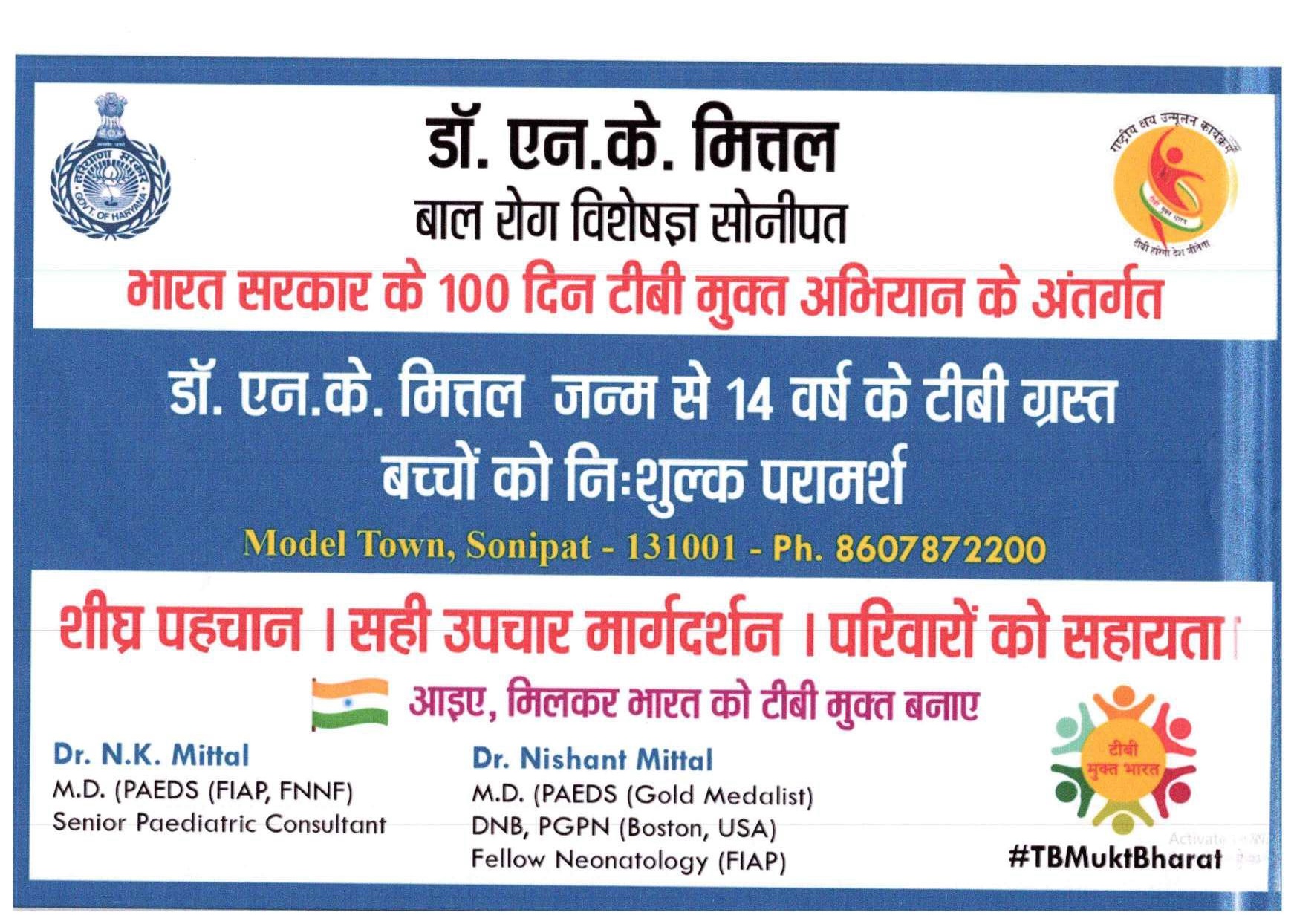
"Nobody sent me to those slums. I went because a child coughing through the night doesn't wait for a program to be launched. Everything since — the clinic, the task force, the villages we've cleared of this disease — grew out of that one decision to simply show up."
Four Decades, One Continuous Thread
Every stage below fed the next. A residency became a habit; a habit became a clinic; a clinic became a district-wide mission. Nothing here happened in isolation.
Rajan Babu TB Hospital, Kingsway Camp
As a senior resident from PGIMS Rohtak, Dr. Mittal arrived at RBTB Hospital, Kingsway Camp — one of Asia's largest tuberculosis hospitals — and began voluntary screening work in the surrounding resettlement colonies of Jahangir Puri, Seelam Pur, and Nand Nagri. In his own words: this journey began in 1986, and the work never really stopped since. What he found in those colonies — children with a persistent cough going undiagnosed for months — became the question his entire career would try to answer. The same year, both the Municipal Corporation of Delhi and RBTB Hospital's Medical Superintendent formally certified his voluntary contribution to the rehabilitation, employment, and diversion therapy of poor tuberculous patients — the earliest paper trail of a career that would run for the next four decades.


MD Pediatrics, then a Year in Rural Practice
After completing MD Pediatrics at PGIMS Rohtak, Dr. Mittal chose a year of rural service in the remote village of Samargopalpur — first-hand exposure to what village-level medicine actually looks like, and the resolve that took root there: that care for the underserved could not be occasional, it had to be structural.
Civil Hospital Sonipat, and the Founding of Mittal Nursing Home
Dr. Mittal joined Civil Hospital Sonipat under Dr. S.K. Puri, contributing to the district's first government-run SNCU. In 1992, he and his wife Dr. Deepmala Mittal founded Mittal Nursing Home — which grew into Haryana's first private NICU with neonatal ventilation and, later, the region's first Kangaroo Mother Care unit. This is the base from which every free TB camp since has been run.
Beyond TB: Becoming a Reporting Centre for Polio
In Dr. Mittal's own description of these years, his routine clinical work was fought alongside three enemies at once — tuberculosis, tetanus, and polio. Mittal Nursing Home became a committed reporting centre under the National Polio Surveillance Project (a Government of India & WHO collaboration), reporting AFP (Acute Flaccid Paralysis) cases since 1997, formalised by a designation letter from the District Immunization Officer, Sonepat, dated May 8, 1998, requiring a case report — even a "nil" report — every Monday. The WHO thanked the centre again in 2007 for a decade of unbroken reporting toward polio eradication — sustained, unglamorous work that never made the news. This surveillance thread runs on in full on its own page — see the complete Polio & VPD Journey below ↓
District and State Felicitation
The District Administration, Sonipat honoured his work on Independence Day 2009. In 2010, the Chief Minister of Haryana felicitated him for contributions to disease control and epidemic management — two decades of quiet clinical work beginning to register at the state level.
President, IAP Haryana
From 2015 onward, the clinical work never paused — pediatric TB treatment continued alongside NICU care and community health outreach, the same routine that had defined the practice since 1992. But these years also marked the start of a second, parallel thread: growing engagement with IAP, his parent organisation, in progressively larger capacities. That engagement reached a first peak in 2018, when Dr. Mittal was elected President of IAP Haryana — the state chapter's top office, and the base every later state and national IAP role would build on.
IAP National Certification in the TB Elimination Program
On April 7, 2023, Dr. Mittal was certified by the Indian Academy of Pediatrics as Delegate/Faculty in the National Tuberculosis Elimination Program (NTEP) — signed by IAP's national and Sonipat leadership. It was the formal, national-level credential that connected his four decades of ground-level TB work to India's official elimination program, and the bridge to the state nodal appointment and district task force that followed two years later.
WHO Appreciation, Brand Ambassadorship & National IAP Board
A year of formal recognition on three fronts, alongside a national institutional step. On July 9, 2024, the WHO's National Public Health Surveillance Network (Rohtak Unit) wrote directly to Dr. Mittal, commending his sustained work on polio eradication, measles-rubella elimination, VPD surveillance, and outbreak reporting as a benchmark for public–private health collaboration — the full letter is featured on the Polio & VPD Journey below ↓. On September 16, 2024, the Municipal Corporation of Sonipat appointed him Brand Ambassador for Swachh Sarvekshan 2024. The same year, he was elevated to IAP National Executive Board Member — moving from state to national leadership within his parent organisation — and, on Independence Day, a Cabinet Minister of Haryana felicitated him for his contributions to child health. Together, this cluster of recognition set the stage for the district-wide TB push that followed.

Baal Kshay Rog Mukt Sonipat — the Task Force Takes Shape
The Baal Kshay Rog Mukt Sonipat Pediatric TB Task Force was constituted, bringing together the District TB Officer Dr. Tarun Yadav, every child specialist in the district, and ASHA/ANM workers under one coordinated structure — with Dr. Mittal serving as clinical lead and State PAED TB Nodal Officer, IAP Haryana. The same year, Central IAP appointed him Member of its Grievance Redressal Cell — a national-level institutional role running alongside the district clinical work, not instead of it. For the first time, pediatric TB in Sonipat had administrative authority behind it, not just clinical will.
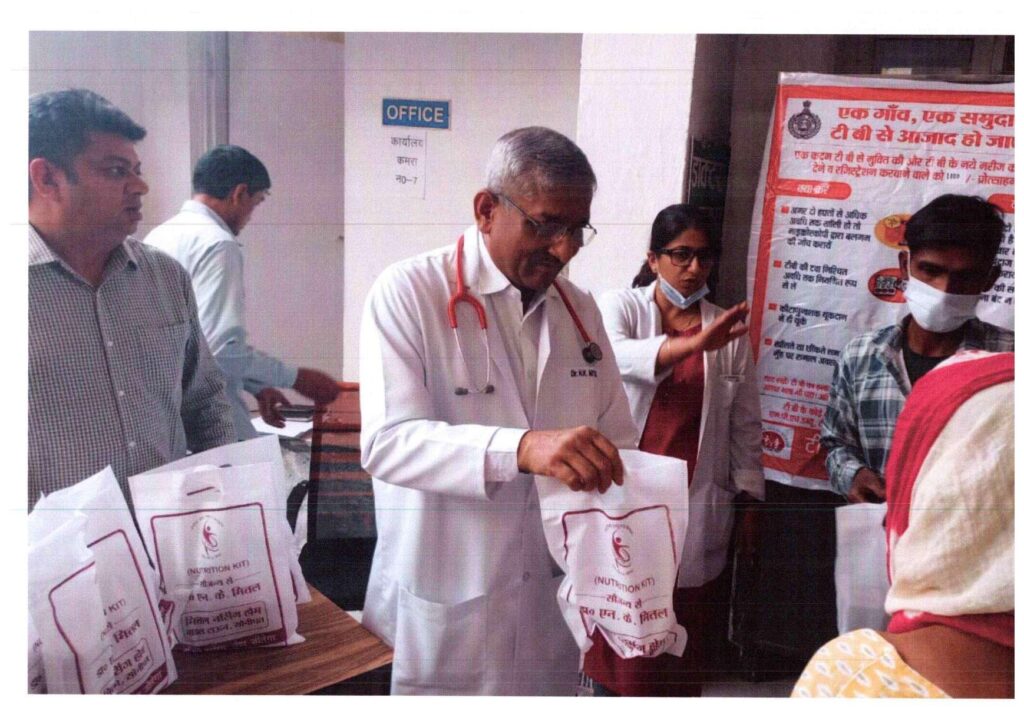
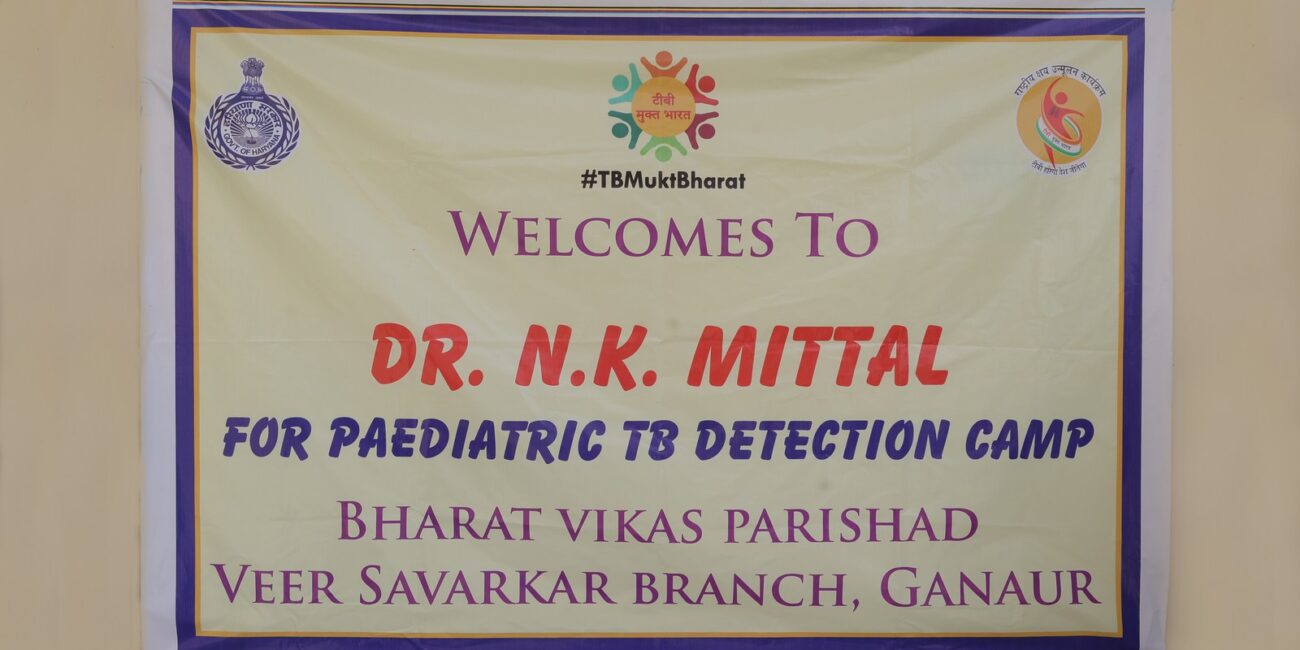
On June 10, 2025, that structure was tested at scale: a free TB detection and child health camp at Geeta Vidya Mandir, village Purkhas — Dr. Mittal's own birthplace — screened 495 individuals in a single day, one of the largest single-day drives in the district's history. Free TB screening, BCG vaccination, nutrition kits, X-ray, blood tests, and sputum testing were offered entirely free, in partnership with the District TB Office, Sonipat under NTEP. Welcomed en route at a related camp by Bharat Vikas Parishad, Ganaur, and covered by Action India, Haribhoomi, and Dainik Jagran — each reporting the 495-screening figure and the Mayor of Sonipat's felicitation at the event.
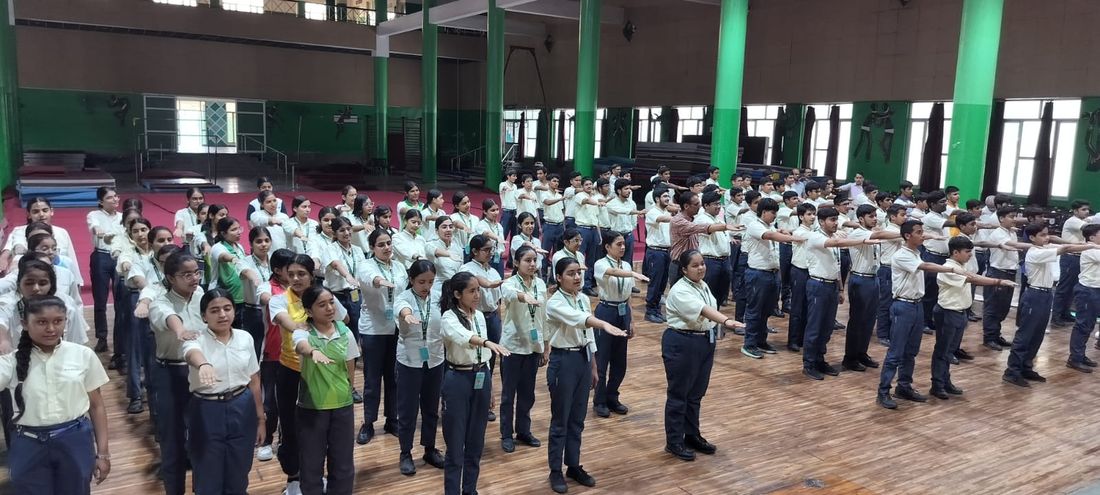
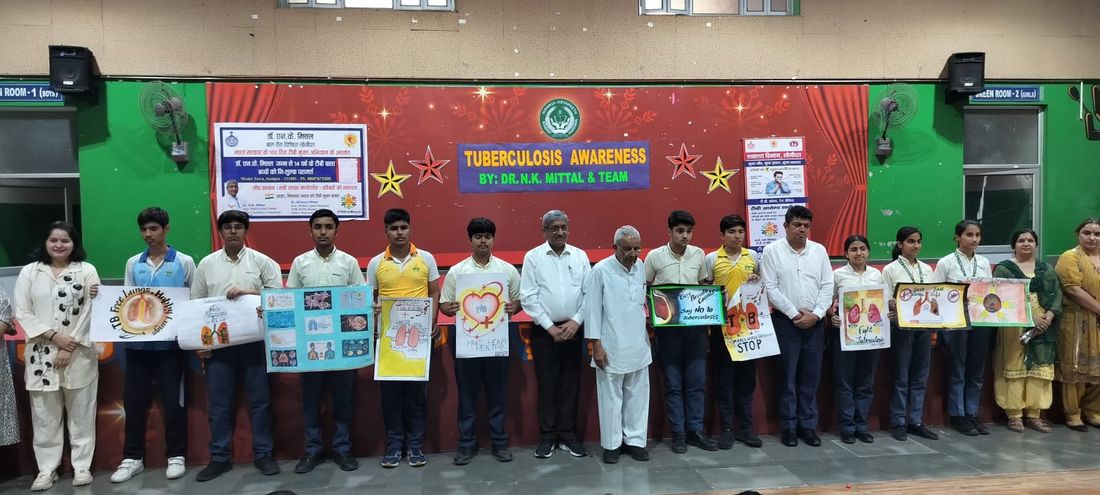
Sustained household screening, contact tracing, and free treatment in the months that followed led to Shekhpura and Purkhas being declared Sonipat's first two TB-Free Gram Panchayats — the district's first, built on a simple replicable model: identify, treat, educate, declare. That same year, TB-awareness sessions reached students at Rishikul School and others across the district, including a poster competition under the 100 Days TB-Free campaign and a public pledge-taking ceremony.


World TB Day, the 100 Days Programme, and Building Capacity That Outlasts Any One Camp
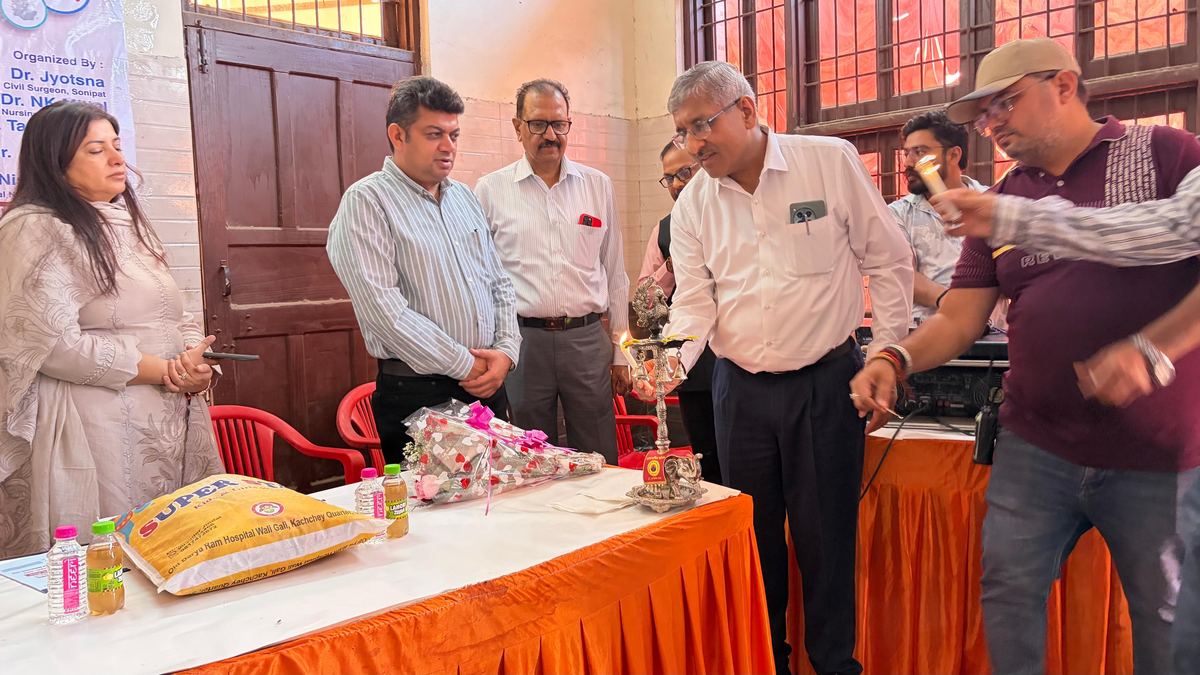
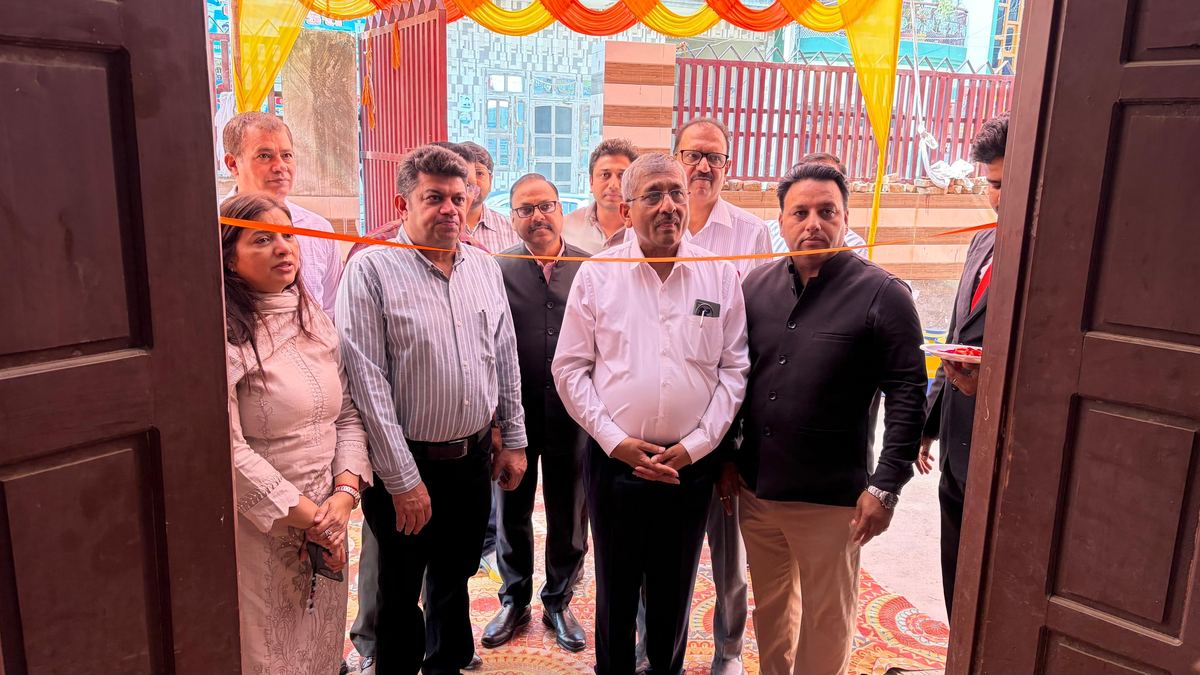
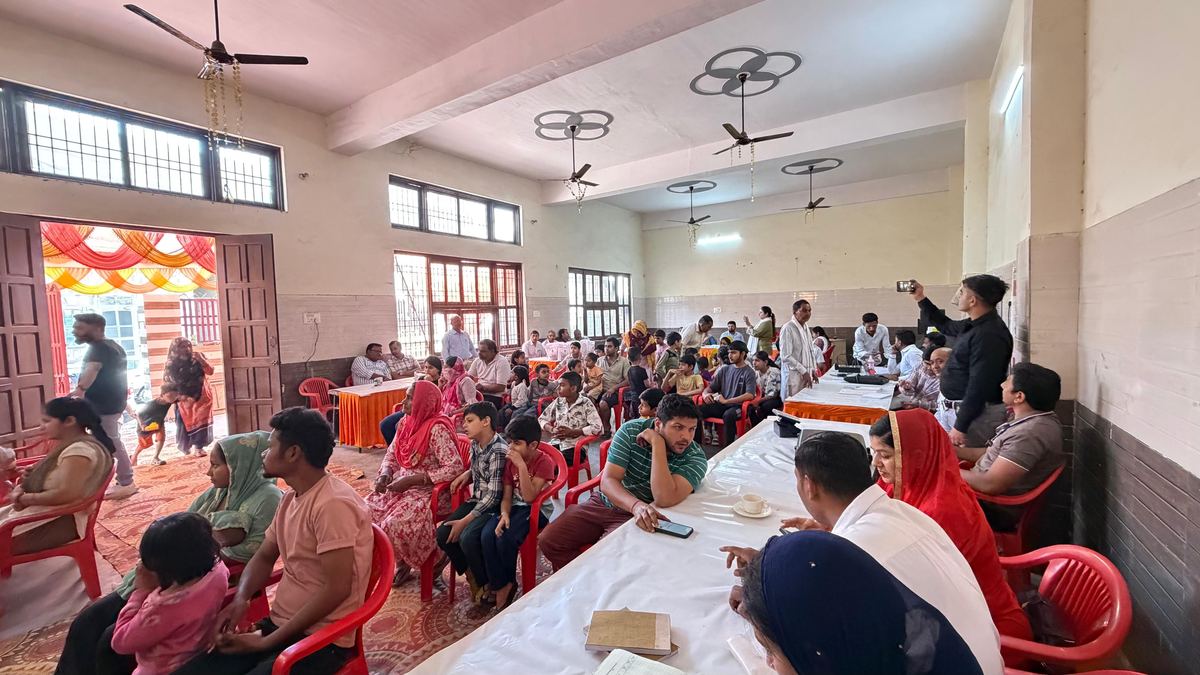
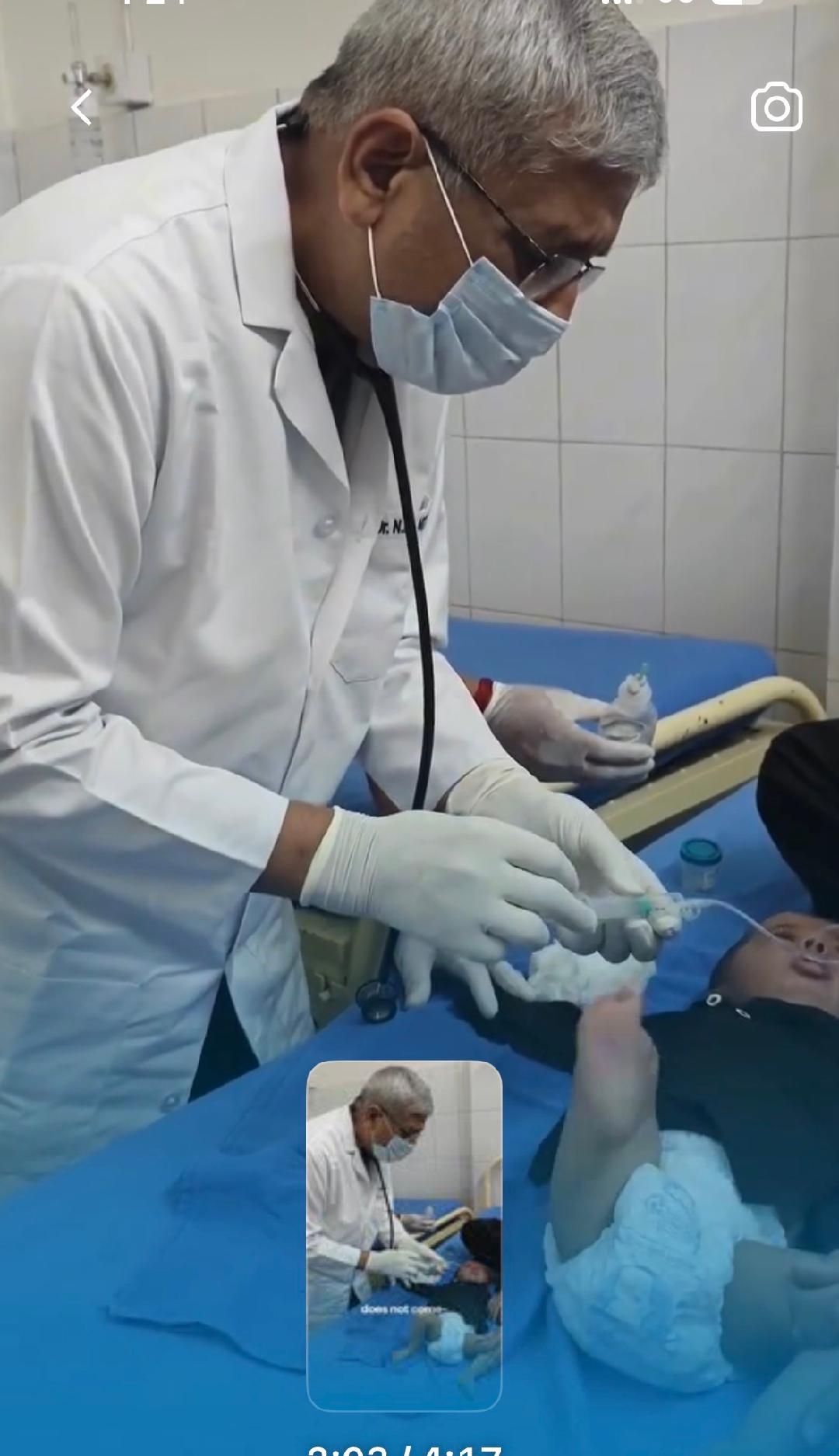
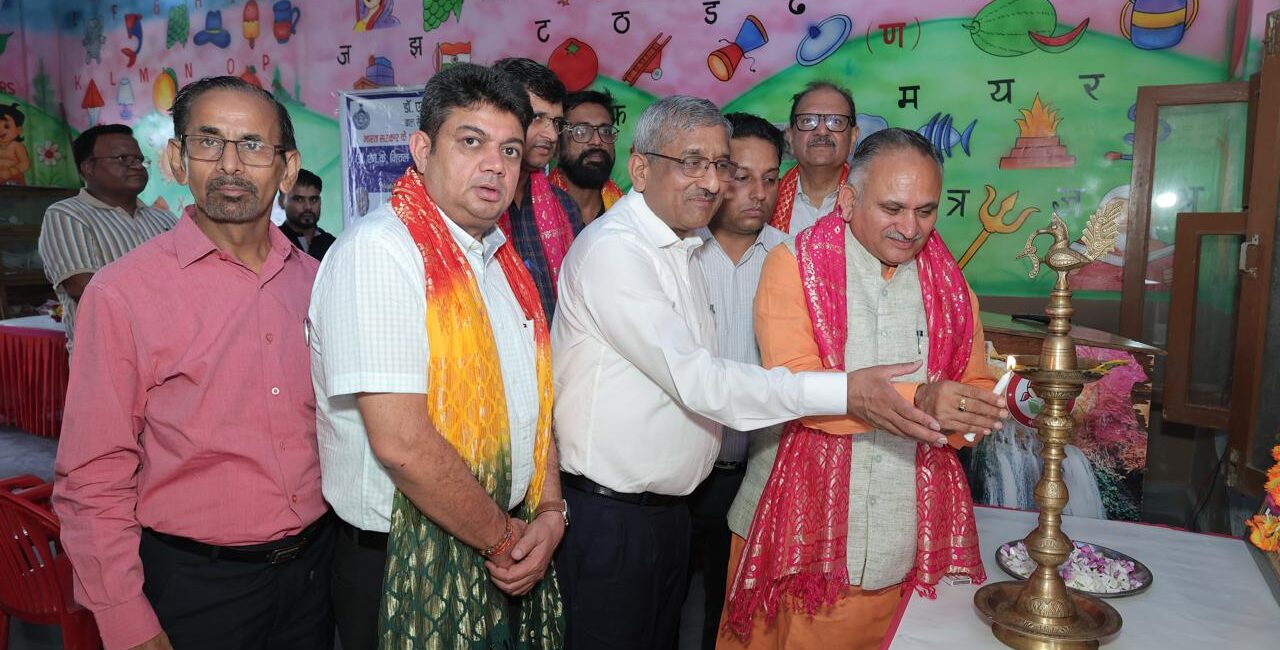
March 22 is both World TB Day and Dr. Mittal's birthday. For most people a birthday is a day of celebration; for Dr. Mittal it is a day of work. In 2026 he marked it with a major free TB detection and child health camp at Kundli, Sonipat — organised with Civil Surgeon Dr. Jyotsna, DTO Dr. Tarun Yadav, Dr. Baldev Raj, and Dr. Nishant Mittal, opened with ceremonial lamp-lighting and a ribbon-cutting before school principals, students, and the wider community. Nutrition kits, routine and HPV immunization, pediatric and general check-ups, on-site Hb and blood-sugar testing, chest X-ray, and sputum testing were all offered free. The camp was documented on video and in a personal interview on why he chooses to spend his birthday this way — the same answer, every year: more work. That parallel institutional thread also reached its own peak this year: IAP appointed him Chief Returning Officer of its National Election Committee — the culmination of a decade of IAP leadership that began with the Haryana presidency in 2018.
Under the national 100 Days TB-Free Programme, Dr. Mittal led the pediatric component across Sonipat district — running multiple detection camps so that children, the demographic TB programmes miss most often, were actively screened rather than left behind. Alongside those camps, he personally trained ANMs and nursing staff in gastric aspirate technique — the gold-standard method for collecting TB samples from children too young to produce sputum — permanently strengthening the district's diagnostic capacity.
Then, on April 8, 2026, came the moment the Sonipat model stopped being a district story and became a state template. World Health Partners (WHP), in collaboration with the State TB Cell Haryana and SAATHII, convened a State Level Pediatric TB Consultation Meeting at Panchkula — bringing together the State TB Officer Haryana, the Director of Health Services / MD-NHM as chief guest, a WHO Haryana TB consultant, and the state's RKSK, RBSK, and WCD nodal officers under one roof to align pediatric TB with India's broader child health programs. Of everyone in that room, Dr. Mittal was the one given the district case-study slot: "Sonipat Pediatric TB Action Model: From Detection to Elimination," presented in his capacity as State IAP Nodal Officer, Haryana — immediately followed by group work on district-level collaboration, so the model could be discussed as something other districts might replicate, not just admired.
On February 26, 2026, the State TB Cell, Haryana had already invited him as the featured speaker for an ECHO session hosted on the Cell's official state portal — addressing "End TB: Where We Stand, Why We Struggle & Why We Must Change" and "BCG in India" before an audience moderated by IMA Haryana President Dr. Sunila Soni, Dr. AVS Ravi, and Dr. Gaurav Aggarwal. Then, on May 10, 2026, IAP Haryana and AHA Haryana invited him as keynote speaker at their Annual State CME in Kurukshetra, delivering "Update on Ped TB: From Detection to Prevention" — three state-level platforms in under three months, each one carrying the same message further.
Nikshay data from the district tracked a marked reduction in pediatric TB cases between Q1 and Q2 of 2026 — 19 fewer cases district-wide — coinciding with the Task Force's coordinated screening and follow-up. Dainik Bhaskar covered the decline, noting the campaign continues with a further review scheduled three months on — this is a standing effort, not a one-time result. It is one local thread inside a larger national picture: the WHO Global TB Report 2025 recorded a 21% national decline in TB incidence — nearly twice the global average — built, district by district, from exactly this kind of sustained, community-embedded work.